
The Nokia N8 ‘Push Snowboarding’ campaign marked a critical shift from hardware monologue to experience-driven dialogue. This analysis explores its integrated strategy and extracts three core lessons for digital-era marketing.
Abstract
The launch of the Nokia N8 in 2010 was not merely a product release; it was a strategic orchestration of integrated marketing communications (IMC) designed to regain market relevance in a turbulent mobile landscape. Facing fierce competition from Apple’s iOS and Google’s Android ecosystems, Nokia faced a critical strategic crossroads. Instead of relying on traditional advertising to trumpet product specifications, the company executed an avant-garde social media and experiential strategy that sought to build community and trust. This analysis, drawing heavily from the INSEAD case study (Dubois & Kaur, 2015), examines the campaign’s innovative approach and identifies three vital strategic lessons for modern marketers navigating saturated technology markets.
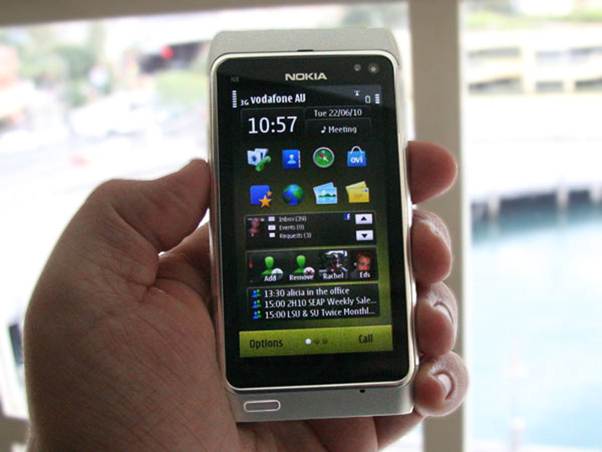
Source: Hanlon, J. (2010, June 22). Nokia N8: in depth. CNET. https://www.cnet.com/pictures/nokia-n8-in-depth/
1. The Strategic Crossroads: From Hardware Monologue to Experience
Nokia’s core strategic challenge was existential. The market had shifted from valuing hardware specifications (the company’s traditional strength) to prioritizing user experience and ecosystem (the strength of Apple and Google). To combat this, the N8 campaign needed to fundamentally reframe the product’s value proposition.
The company abandoned the traditional marketing flow, which primarily focused on mass persuasion (Percy, 2018), and instead committed to a strategy rooted in interaction, utility, and integrated messaging (Kitchen & Pelsmacker, 2004). The core idea was to stop telling consumers the N8 was a good phone and start showing them what the N8 could do in an authentic, high-interest context.
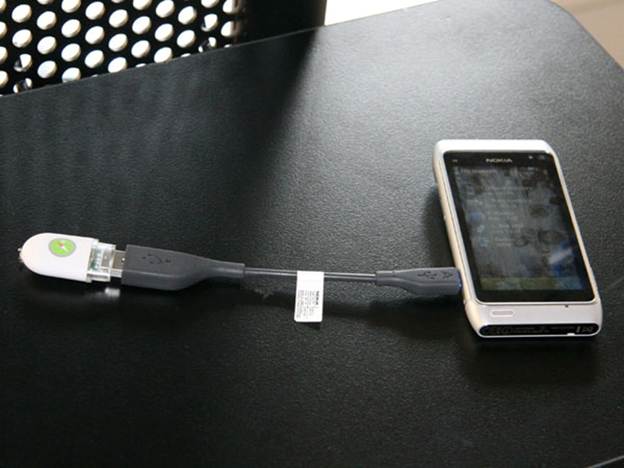
Source: Hanlon, J. (2010, June 22). Nokia N8: in depth. CNET. https://www.cnet.com/pictures/nokia-n8-in-depth/
2. The Integrated Strategy: Elements of the ‘Push Snowboarding’ Campaign
The success of the campaign lay in the seamless integration of three key marketing elements:
A. Experiential Marketing and Product Utility
Instead of using professional cameras, Nokia equipped a team of amateur and professional snowboarders with the N8’s 12-megapixel camera. The phones were used to film the entire “Push Snowboarding” project, immediately demonstrating the product’s core technical feature (the camera) in an extreme, high-stakes environment. This execution positioned the N8 as a tool for creativity and experience, not just a device.

Source: Special Projects Studio. (2011). Push Snowboarding (Nokia & Burton). Special Projects Studio. https://specialprojects.studio/project/push-snowboarding/
B. Dialogue and Community Building
The campaign created a dedicated social media presence, notably on Twitter (@NokiaPush). The team actively engaged with followers, taking their suggestions for tricks, locations, and even the music used in the final video edits. This was a deliberate shift from a “monologue” (one-way advertising) to a “dialogue” (two-way interaction), fostering a dedicated community around the campaign (Dubois & Kaur, 2015).
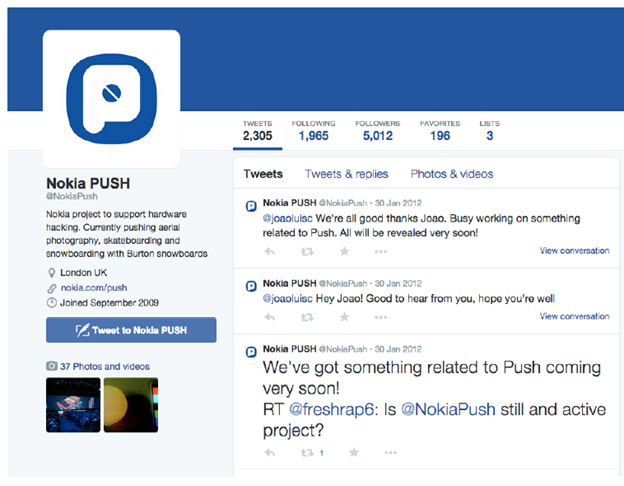
Source: Dubois, D., & Kaur, M. P. (2015)
C. Strategic Partnership: Borrowing Credibility
Nokia understood its lack of inherent credibility within the niche extreme sports community. To bridge this gap, they partnered with Burton Snowboards, a respected industry leader. By leveraging Burton’s brand equity, Nokia instantly gained authenticity and trust among the target demographic (Moutinho & Chien, 2008).

Source: Diana Emely. (2018, March 6). Nokia’s N8 & The Push Snowboarding Campaign. https://dianaemely.com/2018/03/06/nokias-n8-the-push-snowboarding-campaign/
3. Impact Assessment: Qualitative Success vs. Quantitative Reality
The ‘Push Snowboarding’ campaign achieved significant qualitative success, even though the Nokia N8 product line ultimately failed to stop the broader market shift towards iOS and Android:
- Qualitative Effectiveness (Brand Equity): The campaign successfully repositioned the N8 as an “experience-driven” device, particularly with a younger, male demographic. The N8 was successfully associated with high-quality camera and authentic content (Dubois & Kaur, 2015).
- Quantitative Effectiveness (Hard Metrics): The campaign generated substantial buzz and web traffic. However, its effectiveness in driving significant, sustained sales was ultimately limited by the deeper, structural flaws in Nokia’s overall operating system strategy (Symbian vs. iOS/Android) (Dubois & Kaur, 2015). The campaign proved IMC can change perception, but not overcome a deeply flawed product strategy.
4. Strategic Takeaways for Modern Marketers
The Nokia N8 campaign offers three invaluable lessons for brands seeking to launch products or reposition themselves in competitive markets:
Lesson 1: Shift from Monologue to Dialogue The core principle of modern IMC is interaction. Brands must move beyond simply shouting their benefits (monologue) and create spaces (like the @NokiaPush community) where consumers can influence the content (dialogue). Engagement is the new currency, and listening is the most valuable marketing tool.
Lesson 2: Content Utility over Persuasion The goal is no longer to persuade consumers that the product is good, but to demonstrate its utility. The N8 was positioned as a tool to create great content (such as filming snowboarding), not just a phone. Marketers should focus on creating content that provides genuine value, rather than just sales rhetoric.
Lesson 3: Strategic Partnerships to Leapfrog Positioning Gaps When a brand lacks inherent credibility in a niche market (e.g., Amazon in sustainable fashion, or Nokia in extreme sports), it must strategically partner with trusted organizations (like Burton) or authoritative influencers. By “borrowing” the cultural capital of these partners, a brand can accelerate trust-building and legitimize its positioning far faster than through traditional advertising alone.
References
Diana Emely. (2018, March 6). Nokia’s N8 & The Push Snowboarding Campaign. https://dianaemely.com/2018/03/06/nokias-n8-the-push-snowboarding-campaign/
Dubois, D., & Kaur, M. P. (2015). The Nokia N8 ‘Push Snowboarding’ Campaign: An Avant-Garde Social Media Strategy from Engagement to Sales. INSEAD.
Hanlon, J. (2010, June 22). Nokia N8: in depth. CNET. https://www.cnet.com/pictures/nokia-n8-in-depth/
Kitchen, P., & Pelsmacker, P. (2004). A Primer for Integrated Marketing Communications. Taylor & Francis Group.
Moutinho, L., & Chien, C. S. (2008). Problems in Marketing: Applying Key Concepts and Techniques. SAGE Publications.
Percy, L. (2018). Strategic integrated marketing communications. Taylor & Francis Group.
Special Projects Studio. (2011). Push Snowboarding (Nokia & Burton). Special Projects Studio. https://specialprojects.studio/project/push-snowboarding/
