Society
-
Practice Up 48%, Exams Down 17%: Does AI Stop Children From Learning?

A randomised trial gave 1,000 students GPT-4, then took it away. The same tool, reconfigured to give hints instead of answers, did no harm at all. Continue reading
-
The Discount That Was Never Negotiated: What an Unhappy Workforce Actually Costs

Quits are back to 2015 levels while engagement sits at a decade low. The unhappy stopped leaving — and the cost moved somewhere no income statement shows it. Continue reading
-
Twenty-One Billion Dollars and a Million Complaints: The Case for Deputizing Private Cyber Firms

The August 12 presidential memorandum lets vetted U.S. companies conduct offensive cyber operations against foreign criminal networks. Continue reading
-
Boomers Turn 80 This Year. Senior Housing Construction Just Hit a 14-Year Low. Both Are True.

Units under construction are at their lowest since 2012 and net inventory growth is the weakest in NIC MAP’s 20-year history… Continue reading
-
Rescues and Wrongful Stops: What the July 2026 Record Actually Shows About Flock Cameras
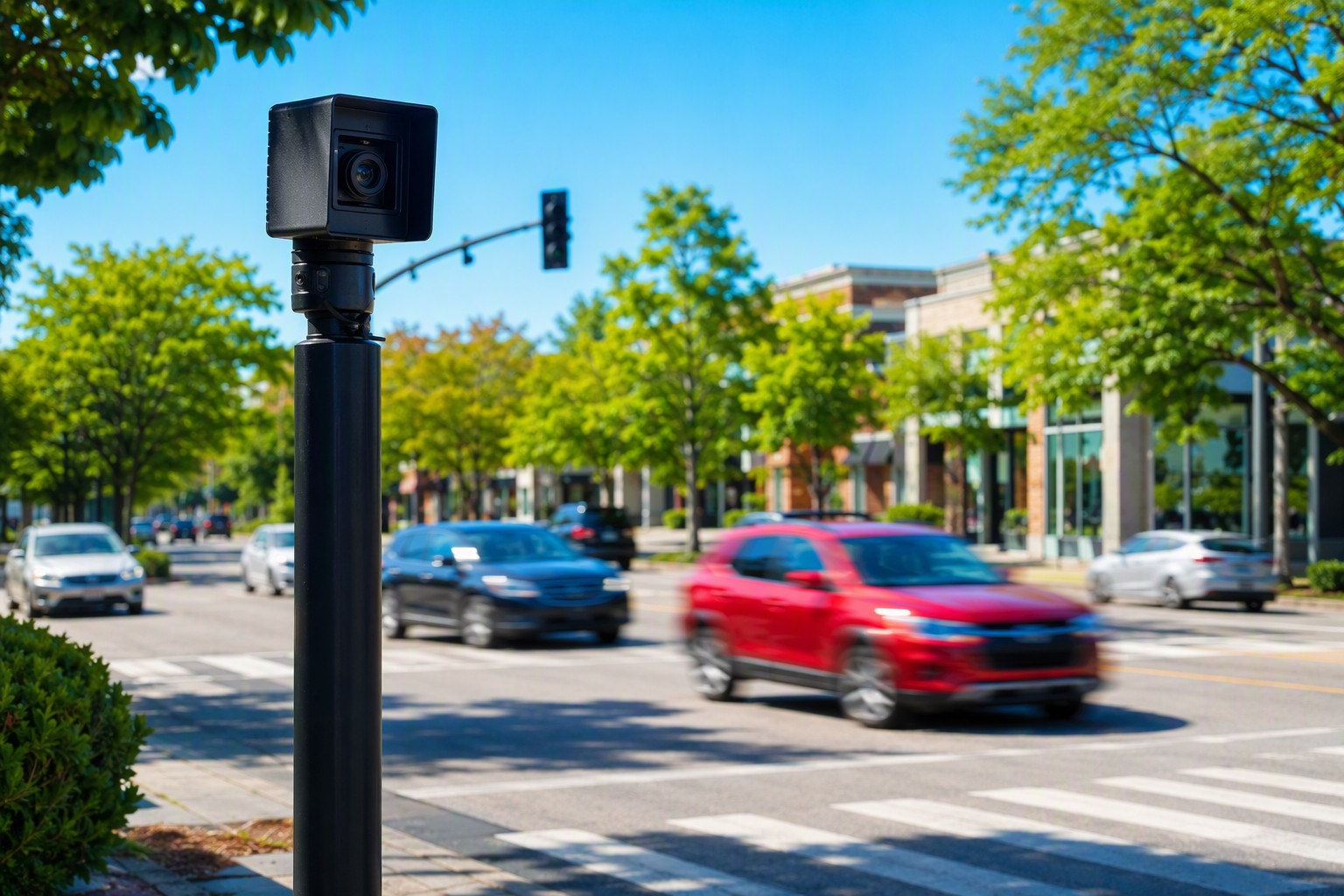
In one week, Flock’s license plate reader network was credited with recovering a kidnapped mother and child, locating missing seniors, and closing theft and elder-fraud cases. Continue reading
-
Do Vibes Predict Recessions? What a New San Francisco Fed Paper Tells Us About Sentiment as an Early-Warning Signal

A new San Francisco Fed working paper puts a defensible number on the marginal recession-forecasting content of soft data. Continue reading
-
The Grocery Pullback: US Shoppers Buy Fewer Items as Seven Years of Food Inflation Catches Up

US grocery unit sales fell 1.8 percent in June 2026, a sharp reversal from the modest growth recorded a year earlier. Continue reading
-
The Boom and the Gap: Twenty Years of North Texas Growth, Prices, and Mortgage Access

A twenty-year data audit of North Texas: Celina and its Collin County neighbors lead the U.S. in population growth… Continue reading
-
Tesla Robotaxi Turns One: A Neutral Economic Look at What Year One Proved, How Tesla Compares to Waymo, and Why the Same Data Supports Two Opposite Stories

One year after Tesla launched its Robotaxi service in Austin with about ten vehicles and human safety monitors… Continue reading
Austin Texas, autonomous vehicles, autonomy economics, AV regulation, BofA Global Research, Cybercab, Elon Musk, Gigafactory Texas, Model Y robotaxi, NHTSA, Reuters investigation Tesla, ride hailing, robotaxi safety, self driving cars, Senator Markey, Tesla 1 year anniversary, Tesla FSD, Tesla Robotaxi, Texas DMV, Waymo -
State Farm’s AI Push Sparks Fears of Mass Job Losses: What 19,000 Agents Just Learned, How Social Media Reacted, and What the Economics Actually Say

State Farm is replacing the contracts of 19,000 independent agents with a single new agreement that mandates daily AI use… Continue reading
agent commissions, AI commission impact, AI job losses, AIPP deferred compensation, BLS insurance jobs, BofA insurance AI, captive agent model, Household Story, independent contractor agents, insurance industry AI, insurance layoffs, insurance modernization, Jon Farney, Navi AI assistant, Next Gen Good Neighbor, OpenAI partnership, Progressive auto insurance, State Farm, State Farm AI, STEP exit program -
Warsh’s First Fed Meeting Flips the 2026 Outlook From Cut to Hike: An Economic Look at the New Communications Framework, the May 4.2% CPI Print, and What Borrowers, Savers, and Investors Should Track Next

In his first meeting as Federal Reserve chair, Kevin Warsh held rates at 3.50-3.75 percent, slashed the policy statement to roughly 132 words… Continue reading
core PCE inflation, CPI May 2026, dot plot, fed funds rate, Federal Reserve, FOMC, forward guidance, higher for longer, inflation outlook, interest rate hike 2026, Iran energy shock, June FOMC meeting, Kevin Warsh, monetary policy, mortgage rates 2026, Powell to Warsh, rate cut expectations, savings rates 2026, Summary of Economic Projections, Treasury yields -
SpaceX Closes the Largest IPO in History: An Economic Look at What the Company Does, How It Got Here, and Whether USD 1.77 Trillion Is Justified

SpaceX raised USD 75 billion at a USD 1.77 trillion valuation in the largest IPO ever recorded. Continue reading
-
France’s ANSSI Sets 2027 Deadline to Ban Non-Quantum-Resistant Encryption: What the World’s First PQC Mandate Means

France’s ANSSI announced it will stop certifying products without post-quantum cryptography by 2027, the world’s first hard regulatory deadline for PQC. Continue reading
2027 deadline, ANSSI, crypto-agility, cryptography mandate, cybersecurity regulation, EU cybersecurity, France cybersecurity, GAO PQC cost, harvest now decrypt later, hybrid encryption, ML-DSA, ML-KEM, NIST FIPS 203, NSA CNSA 2.0, post-quantum cryptography, PQC, Q-Day, quantum computing, quantum-safe encryption, UK NCSC -
AI Layoffs: Real Cause or Convenient Excuse? What the Data on Pandemic-Era Overstaffing Actually Shows

AI was cited in 40 percent of US layoff announcements in May 2026. The Federal Reserve says only 1 percent of services firms actually laid off because of AI. Continue reading
-
World Cup 2026 by the Numbers: $17 Billion in US GDP, $1.25 Billion in Broadcast Rights, and a $11.5 Million Ticket

FIFA projects $17.2 billion in added US GDP. Fox and Telemundo paid $1.25 billion for the broadcast rights. The cheapest official ticket is $60. Continue reading
-
When a Toilet Maker Becomes a Chip Supplier: How AI Is Reshaping Manufacturing in 2026
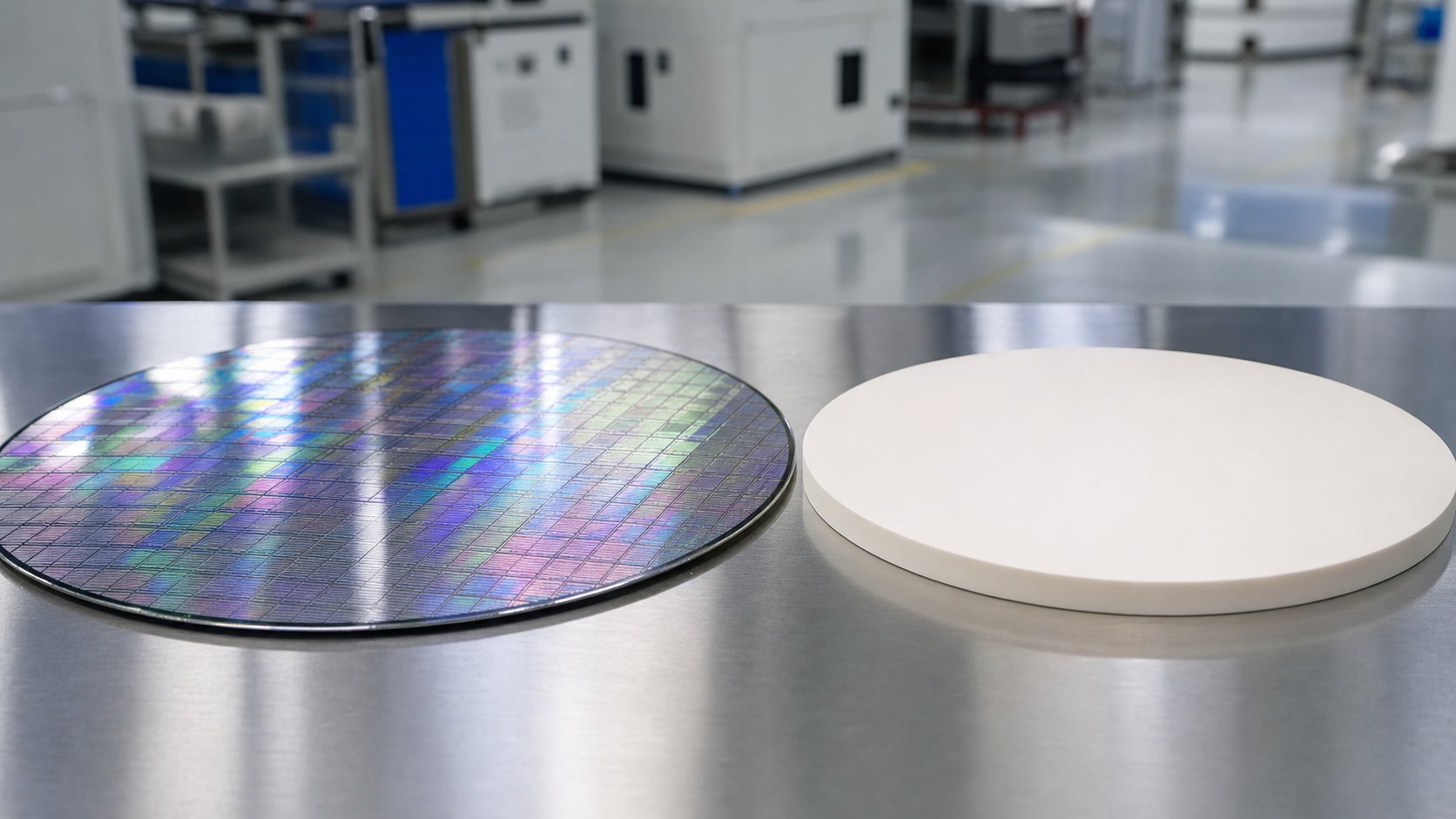
A 108-year-old toilet maker is sending more than half its capex to chip ceramics. Continue reading
-
China Has Won the Humanoid Factory Race. Now It Has a Demand Problem

Ten days ago, AcadeResearch argued that China had built the humanoid factories first. Continue reading
AgiBot, Allan Zhang, China robotics, Communist Party five-year plan, Eric Guo, Figure AI, Gobi Partners, humanoid robots, industrial automation, manufacturing capacity, Mercator Institute, Morgan Stanley, New America, robotics commercialization, robotics market, Samm Sacks, state-owned enterprises, supply demand gap, Tesla Optimus, Unitree -
The Strong Jobs Report Hides a Quieter Story: AI Is Erasing 16,000 US Jobs Every Month

The US added 172,000 jobs in May 2026, more than double the consensus forecast. Continue reading
AI augmentation, AI displacement, AI jobs, AI substitution, BLS, Center for American Progress, Elsie Peng, entry level jobs, Federal Reserve, Gen Z, Goldman Sachs, Joseph Briggs, labor market, May 2026 jobs report, NY Fed, occupational downgrading, Tech layoffs, unemployment, wage scarring, Yale Budget Lab -
How Anthropic Took the Throne: Inside the Valuation Arc That Made Series A Investors a Thousand Times Richer

Anthropic filed confidentially for an IPO on June 1, 2026, at a $965 billion private mark. Continue reading
-
AI Is Rewriting the Cyber Threat Economy. Manufacturing, Healthcare, and Finance Are Bearing the Cost

For the first time in 19 years of the Verizon DBIR, vulnerability exploitation has overtaken stolen credentials as the top initial-access vector. Continue reading
AI cybersecurity, AI threat actors, Anthropic Mythos, CISO, critical infrastructure, CrowdStrike, cybersecurity, financial services security, Google Threat Intelligence, healthcare cybersecurity, KELA, Mandiant, manufacturing cybersecurity, Microsoft Digital Defense Report, phishing, ransomware, supply chain attacks, Verizon DBIR, vulnerability exploitation, zero-day