Economics & Finance
-
Musk Says the Debt Market Has Shut on Neoclouds. The Filings Say It Has Narrowed, and the Difference Matters.
Musk says debt markets have shut on neoclouds. The high-yield spread widened 25 bps; CoreWeave’s CDS hit 1,195. His four claims, checked against the filings. Continue reading
-
Beijing Writes Its Own Rules for Exporting AI Models, Using Washington’s Threshold

Beijing’s draft adds 40 technologies, 23 in AI, with a 10^26 FLOP line borrowed from Washington. What it bans, what it licenses, and what it leaves open. Continue reading
-
Why the AI Giants Are Suddenly Chasing Law Firms

Anthropic, OpenAI and Google all launched legal products within seven months. Six reasons the frontier labs converged on one vertical, and what is unresolved. Continue reading
-
87% of General Counsel Already Use AI. The Case for Law Firms Moving Faster.

87% of general counsel already use AI. The repricing is underway regardless. Adoption decides whether the efficiency stays with the firm or passes to the client. Continue reading
-
The Discount That Was Never Negotiated: What an Unhappy Workforce Actually Costs

Quits are back to 2015 levels while engagement sits at a decade low. The unhappy stopped leaving — and the cost moved somewhere no income statement shows it. Continue reading
-
Nine Companies Are Deploying AI. Eight Saw Margins Rise. Coincidence?

Uber blew its AI coding budget in four months — and grew operating income 30%. Nine companies, one year of SEC filings, one question the numbers cannot close. Continue reading
-
The $6.6 Billion Gap: Why Every Major Cybersecurity Company Spends More Selling Than Building

Fourteen publicly traded cybersecurity companies, $41.5 billion of combined revenue, and not one spends more on research and development than on sales and marketing. Continue reading
-
Boomers Turn 80 This Year. Senior Housing Construction Just Hit a 14-Year Low. Both Are True.

Units under construction are at their lowest since 2012 and net inventory growth is the weakest in NIC MAP’s 20-year history… Continue reading
-
China’s Open-Weight Lead Exposes America’s Real AI Gap: Substrate, Not Capability

Qwen has nearly doubled Llama in cumulative downloads and takes 69 percent of new fine-tunes worldwide. Continue reading
-
Battle for the Air: DoorDash Just Became the Eighth Certificated Drone Carrier — but the Rule That Makes It Pay Still Hasn’t Published
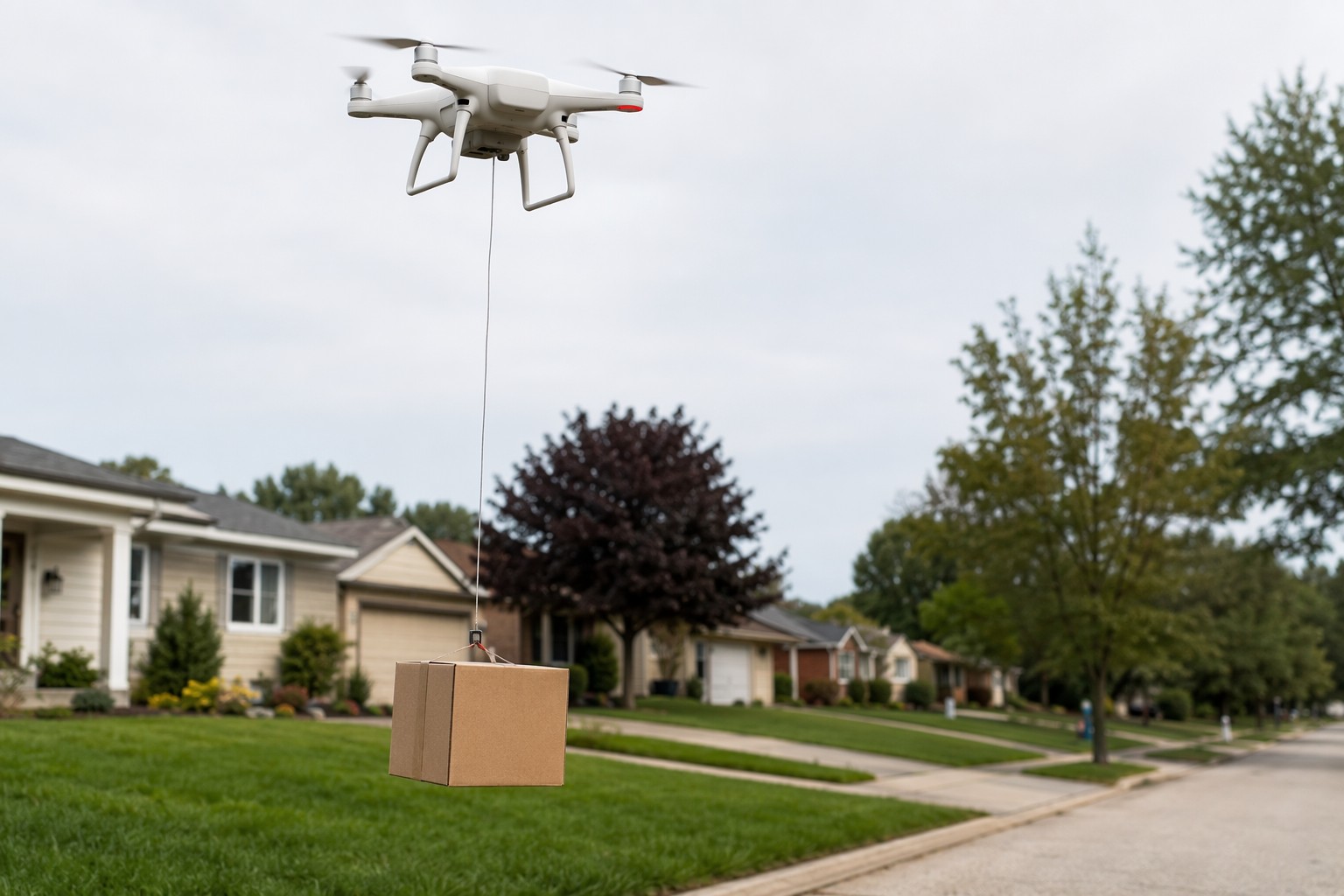
DoorDash earned FAA Part 135 air carrier certification on July 29, 2026, becoming the eighth drone delivery operator to hold one… Continue reading
-
The FCC Did Not Ban Robots. It Made U.S. Market Access Conditional on American Parts — and That May Bind Domestic Makers Too
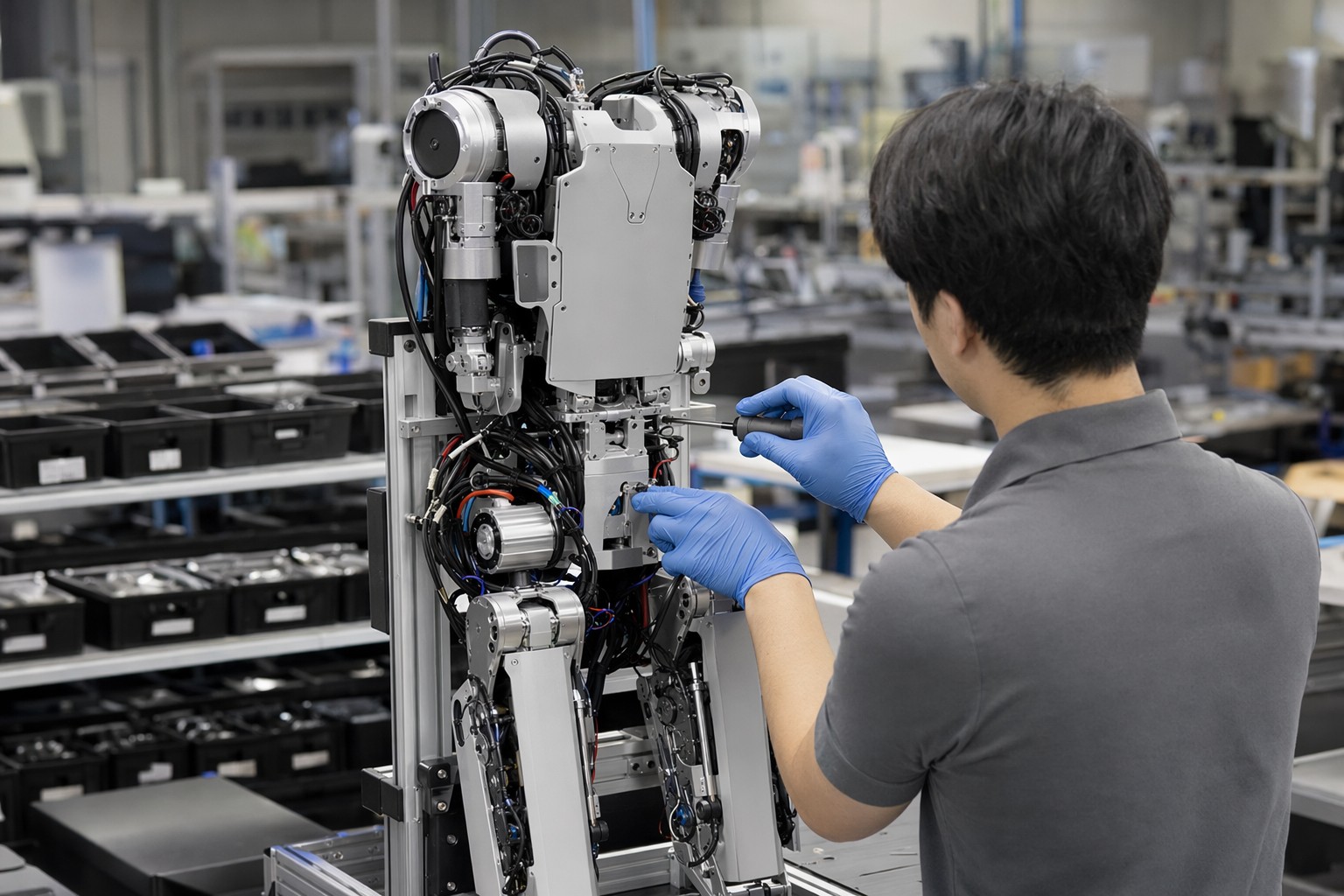
The FCC added foreign-produced mobile robots and connected power inverters to its Covered List on July 28, 2026. Continue reading
-
The Open-Weights Debate Just Got Its Second Side

Dario Amodei’s July 27 rebuttal to the Microsoft- and Nvidia-hosted open-weights letter, alongside a 77-company coalition and a separate 37+ member alliance… Continue reading
-
Piketon: From Enriched Uranium to AI Compute — Why the Weapons Complex Is Where the Data Centers Are Landing

A Cold War uranium enrichment site in southern Ohio is becoming a 10-gigawatt AI campus with 9.2 gigawatts of its own gas generation… Continue reading
-
Open Weights and the Open-Closed Choice: What the July 24 Microsoft and Nvidia Coalition Letter Argues, and What the Data Shows

Nvidia’s chief executive published his first X post to share a joint industry letter signed by 25 organizations… Continue reading
-
Do Vibes Predict Recessions? What a New San Francisco Fed Paper Tells Us About Sentiment as an Early-Warning Signal

A new San Francisco Fed working paper puts a defensible number on the marginal recession-forecasting content of soft data. Continue reading
-
The Grocery Pullback: US Shoppers Buy Fewer Items as Seven Years of Food Inflation Catches Up

US grocery unit sales fell 1.8 percent in June 2026, a sharp reversal from the modest growth recorded a year earlier. Continue reading
-
The Wire Bottleneck: Why the AI Buildout Runs on Electricians the U.S. Has Not Trained
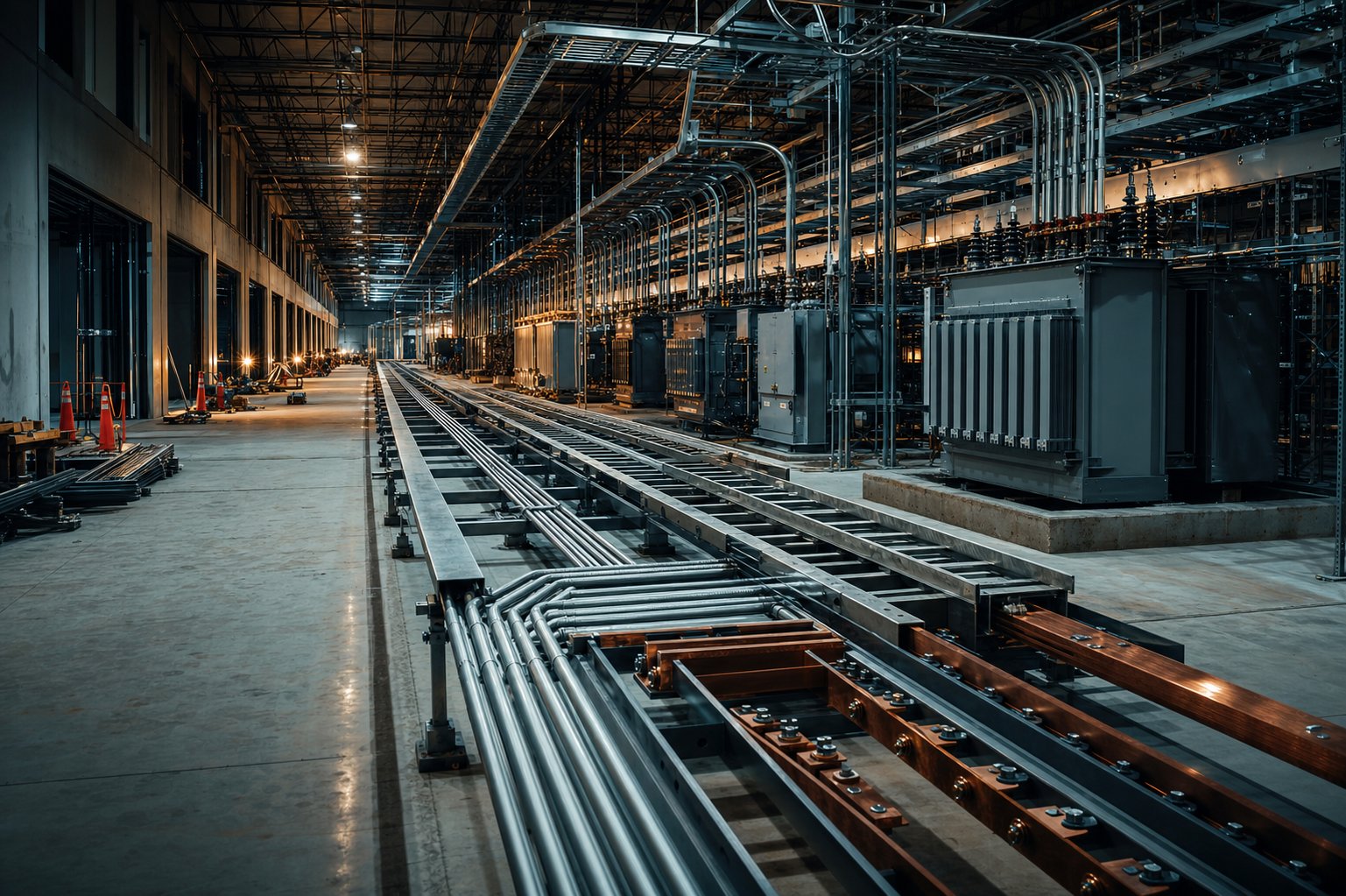
The AI economy has the capital to expand and the compute to grow. It does not have the wires. Continue reading
-
The Boom and the Gap: Twenty Years of North Texas Growth, Prices, and Mortgage Access

A twenty-year data audit of North Texas: Celina and its Collin County neighbors lead the U.S. in population growth… Continue reading
-
May JOLTS Beats Consensus by 294,000 as Warsh Uses Sintra to Cement the End of Forward Guidance: An Economic Look at the July 29 Rate Debate

Job openings held near a two-year high in May 2026, running about 294,000 above consensus, while new Fed Chair Kevin Warsh used his Sintra debut on July 1 to… Continue reading
Andrew Bailey, BLS labor data, Christine Lagarde, CME FedWatch, core PCE, ECB Sintra Forum, Federal Reserve, fiscal sugar rush, FOMC July 2026, forward guidance, inflation 2 percent target, job openings, JOLTS May 2026, Kevin Warsh, labor market economics, monetary policy, openings unemployed ratio, rate hike odds, Tiff Macklem, yen 40 year low -
How Gen Z Is Navigating an Economy That Hires Their Seniors

A generation that came of age during a pandemic, an inflation spike, and the AI revolution is now confronting a labor market that hires their seniors but pauses on them. Continue reading